By Diane Versaevel
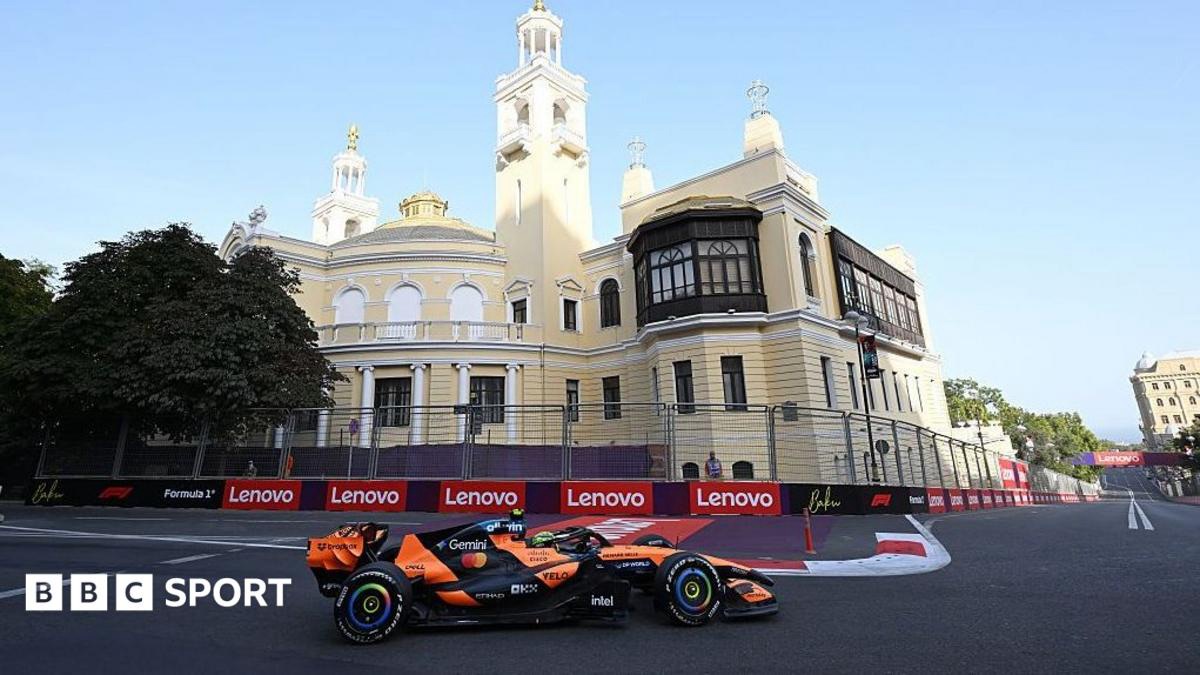
When Formula 1 cars first screamed through the medieval gates and along the Caspian sea-wall of Baku in 2016, it felt like an overnight motorsport miracle. A high-speed labyrinth carved through an ancient city, offering a chaotic blend of flat-out straights and claustrophobic 90-degree corners. Yet, to view Azerbaijan’s motorsport identity solely through the glittering prism of modern Formula 1 is to miss a deeply fascinating evolution. Long before the Baku City Circuit became a staple of the F1 calendar, the nation’s relationship with speed, engineering, and competition was quietly taking root.
From Oil Boom to Industrial Roots
Long before the checkered flag waved in downtown Baku, the region was fundamentally shaping global energy and transportation.
In the late nineteenth and early twentieth centuries, Baku stood as the epicentre of the world’s oil boom, producing more than half of the global crude supply. This heavy industrialization naturally fostered a culture of mechanical engineering and transport innovation.
While the Soviet era placed heavy emphasis on industrial output and automotive testing grounds across the Caucasus, it also laid the groundwork for localized motorsport initiatives. Following the restoration of its independence in 1991, Azerbaijan sought to project its modern identity and economic growth onto the global stage through major international sporting events, culminating in the 2012 Baku World Challenge. Featuring the FIA GT Series on a temporary street circuit set against the backdrop of the iconic Government House, the event proved that Baku’s wide seaside avenues were tailor-made for street racing.
The Birth of a Modern Classic
The definitive turning point arrived when Formula 1 supremo Bernie Ecclestone and circuit designer Hermann Tilke locked eyes on Baku. The result was a masterclass in modern circuit design. In 2016, Baku hosted the European Grand Prix, showcasing the city’s breathtaking visual identity to hundreds of millions of television viewers worldwide. By 2017, the race was officially rebranded as the Azerbaijan Grand Prix, and it wasted no time cementing a reputation for utter unpredictability.
The track’s split identity is what makes it uniquely punishing. The 2.2-kilometer flat-out run along the Baku Boulevard sees cars exceed 350km/h, creating massive slipstreaming battles and heavy braking duels into Turn 1. Conversely, the track winds through the Old City, narrowing to a claustrophobic 7.6 meters wide; barely wider than a modern F1 car; punishing even the slightest concentration lapse. From Sebastian Vettel and Lewis Hamilton’s explosive wheel-banging rivalry to Daniel Ricciardo’s stunning triple-overtake and Sergio Pérez mastering the street layout as the ultimate “King of Baku,” the track consistently delivers high drama.
Securing a Permanent Legacy
Today, Azerbaijan’s footprint in motorsport extends far beyond a single annual weekend.
With its contract secured on the calendar through at least 2030, the Baku City Circuit has continued to invest heavily in year-round community engagement, karting development programs, and cultivating local engineering talent. What began as a bold vision to showcase a revitalized capital city has blossomed into a permanent chapter in motorsport history. As long as engines roar down Neftchilar Avenue, Azerbaijan will remain a vibrant, unpredictable, and indispensable cornerstone of the global racing calendar

