By Diane Versaevel
Following the first three rounds of the 2026 season, the FIA, teams, and drivers have agreed to a series of critical refinements to the technical and sporting regulations.These “Miami Tweaks” represent a fundamental recalibration of how these high-voltage machines tackle a circuit.
The Engineering Core: Rethinking the 50/50 Split
The 2026 power units represent a massive departure from the previous decade of hybrid technology. By removing the MGU-H (Heat) and tripling the output of the MGU-K (Kinetic), the sport has moved to an approximately equal split between internal combustion and electrical power.
To address early-season issues, the FIA has implemented the “Super Clipping” fix. Early races showed cars suffering from massive power loss at the end of straights as batteries depleted. To combat this, the super clipping power limit has been. This allows engineers to maintain speed for longer, making the speed curve feel more natural to the driver.
Furthermore, harvesting efficiency has been adjusted to prevent drivers from spending half the lap lifting and coasting just to charge the battery. The maximum permitted recharge per lap has been reduced. Additionally, the power delivery has been smoothed out to prevent the instant hit of electricity from destroying rear tires, particularly in low-grip or wet conditions.
On the Circuit: The Miami Tweaks Explained
While the 2026 rules introduced “shape-shifting” wings and active aero, the opening races in Australia and Japan revealed some teething problems. In response, the FIA has introduced a specific package of “Miami Tweaks” designed to make the racing safer and more exciting for the fans watching the Florida sprint.
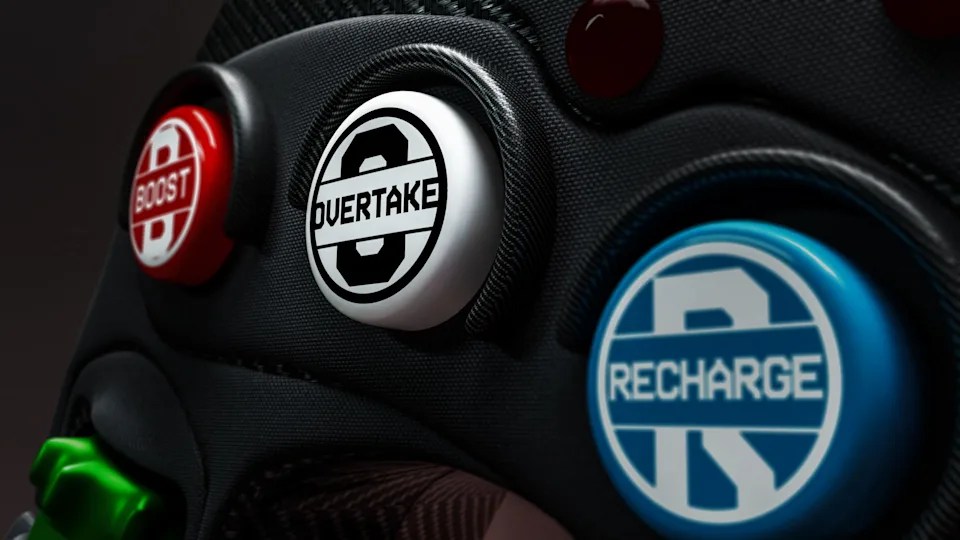
The biggest change for the Miami weekend is a fix for “The Bearman Effect.” Earlier this year, Oliver Bearman suffered a massive crash because his car was recharging its battery while the car behind was using an overtake boost. This created a terrifying speed difference of nearly 500 horsepower. Starting in Miami, the FIA has capped the “Overtake Boost” to ensure the speed gap between two cars isn’t dangerous. Fans will still see spectacular passes, but they will happen in a controlled, predictable way.
In qualifying, fans can expect to see more “flat-out” driving. Until now, drivers were forced to slow down mid-lap to charge their batteries—a practice that frustrated both the racers and the crowd. The new Miami rules force the cars to charge faster and finish their charging cycle much sooner on the straights. This means that when adriver starts a qualifying lap in Miami, they will be pushing to the limit from the first corner to the last, rather than “energy saving” for half the lap.
Finally, a new safety feature will debut during the Miami race starts. If a car has a problem launching off the grid, an automatic emergency system will now kick in to get the car rolling immediately. The car will also begin flashing bright emergency lights to warn the drivers behind. This is designed to prevent the “sitting duck”
scenarios that can lead to dangerous pile-ups at the start of the race.
Championship Impact: Who Gains the Edge?
These regulations act as a reset button for the competitive order. While Mercedes has taken a commanding early lead, with Kimi Antonelli becoming the youngest championship leader in history, these new refinements could shift the balance. Teams like McLaren and Ferrari, currently 2nd and 3rd in the standings, may find an edge.
The reduction in harvesting limits rewards cars with high aerodynamic efficiency, which can maintain speed without constant battery support. This shift also changes the driver’s role. World Champion Lando Norris and veteran Fernando Alonso have noted that 2026 is less about physical stamina and more about cognitive endurance, deciding exactly when to deploy the boost and when to harvest.
Finally, the FIA hopes the increase in superclip power will correct “Yo-Yo” racing. This is the effect where drivers pass each other repeatedly on a single lap simply because their battery cycles are out of sync. By stabilizing the power curve, the quality of the racing should improve.
Show quoted text
The 2026 Shift: What the New Regulations Mean for the Season Ahead