By Diane Versaevel
The 2026 Formula 1 season has proven that the sport is as much a masterclass in geopolitical logistics as it is a showcase of engineering and driver talent. Recently, scheduling shifts and regional uncertainties, sparked by questions over whether key rounds like the Qatar and Abu Dhabi Grands Prix would proceed amid broader Middle East conflicts, have sent ripples of confusion through the paddock and among fans alike.
With the early-season Bahrain Grand Prix now firmly in the rearview mirror, attention has shifted decisively toward the season’s closing legs in the Gulf. As the calendar navigates a volatile landscape, the bigger question arises: What does the future hold for Formula 1’s multi-billion-dollar Middle Eastern footprint?
The Resilience of Gulf Rounds: Why Qatar and Abu Dhabi Push Forward
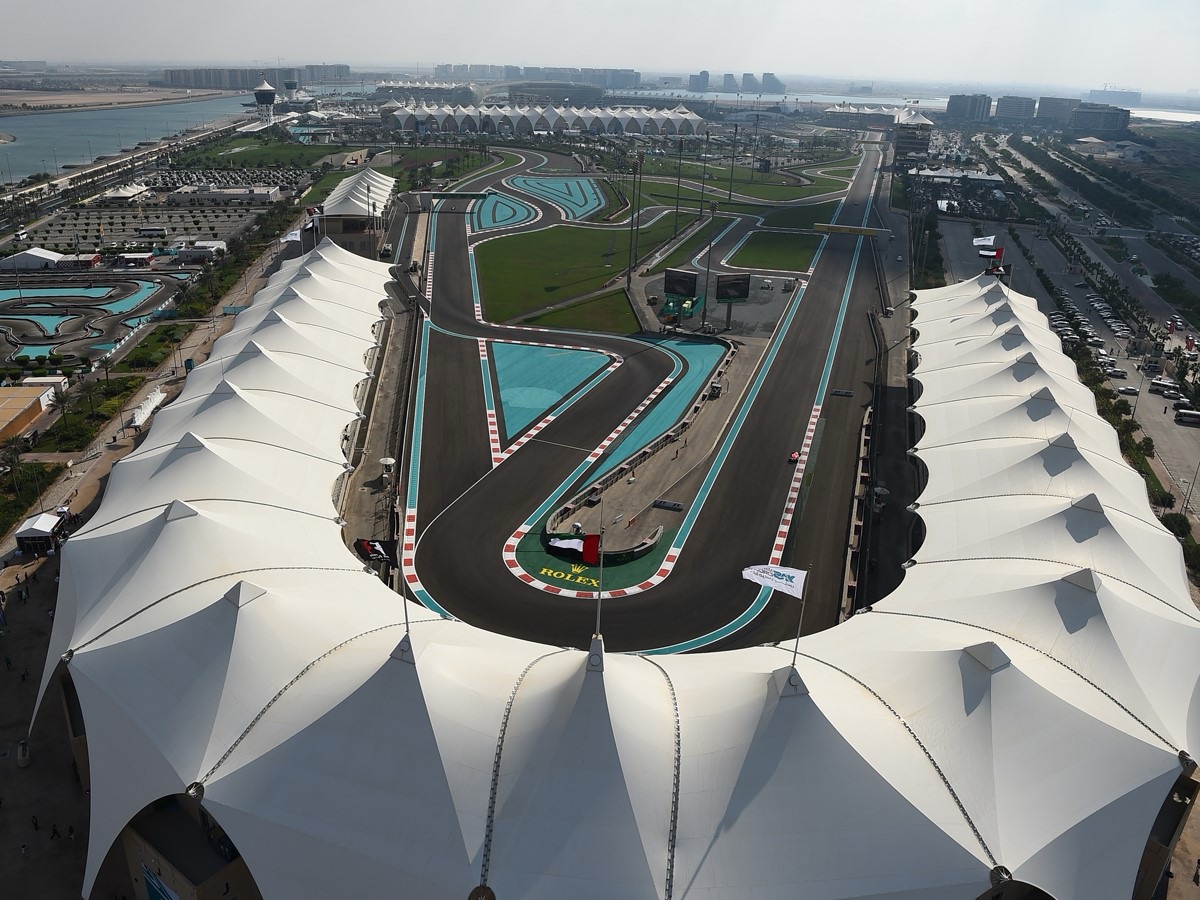
With the Bahrain round already concluded earlier this year, the spotlight now turns to the heavyweight finales in Doha and Yas Island. Amidst ongoing regional conflicts and heightened security evaluations, F1 leadership—headed by Stefano Domenicali, has confirmed that both the Qatar and Abu Dhabi Grands Prix will proceed as planned.
Unlike circuits embedded within volatile domestic or localized friction zones, events in Qatar and Abu Dhabi have managed to secure their places on the schedule through robust security frameworks, state-backed infrastructure, and long-term commercial commitments. Formula 1 leadership must constantly weigh sporting integrity and fan engagement against the safety and security of teams, media, and spectators. The green light for these upcoming events highlights the sport’s resilience, but it also underscores a sobering reality: sports and geopolitics are increasingly inseparable.
Balancing the Calendar and Regional Realities
As fans express fatigue or confusion over an increasingly Middle East-heavy calendar—which features high-profile stops across the Gulf—questions about the broader scheduling philosophy continue to surface. Commercial realities dictate that the financial backing required to host a modern Grand Prix heavily favors regions willing to invest massive upfront capital, keeping the scales tipped toward these major Gulf states for the foreseeable future.
Yet, this heavy reliance on the Middle East creates unique logistical and perceptual challenges. F1 CEO Stefano Domenicali has repeatedly emphasized that the sport must balance its traditional European roots with its lucrative global partnerships. Ensuring transparency and proactive communication will be vital as the paddock prepares for the high-stakes final stretch of the season in Qatar and Abu Dhabi.
Navigating the Road Ahead
The confirmation that events in Qatar and Abu Dhabi will proceed despite wider regional tensions highlights Formula 1’s adaptability. If the sport is to maintain a harmonious balance between historic racing heartlands and its vital Middle Eastern partners, strategic calendar placement and clear leadership will remain paramount.
For now, as teams transition away from the earlier rounds like Bahrain and focus on the championship-deciding showdowns in the Gulf, Wheel to Wheel will continue tracking every twist and turn—both on the asphalt and behind the boardroom doors.

