By Selin Soyer
For Italian fans, Ferrari isn’t just a car brand. It’s a national institution, passed down like a family bond rather than chosen like a preference. To understand it, you have to look past horsepower and lap times and into the emotional architecture of Italian identity itself.
A symbol of national pride
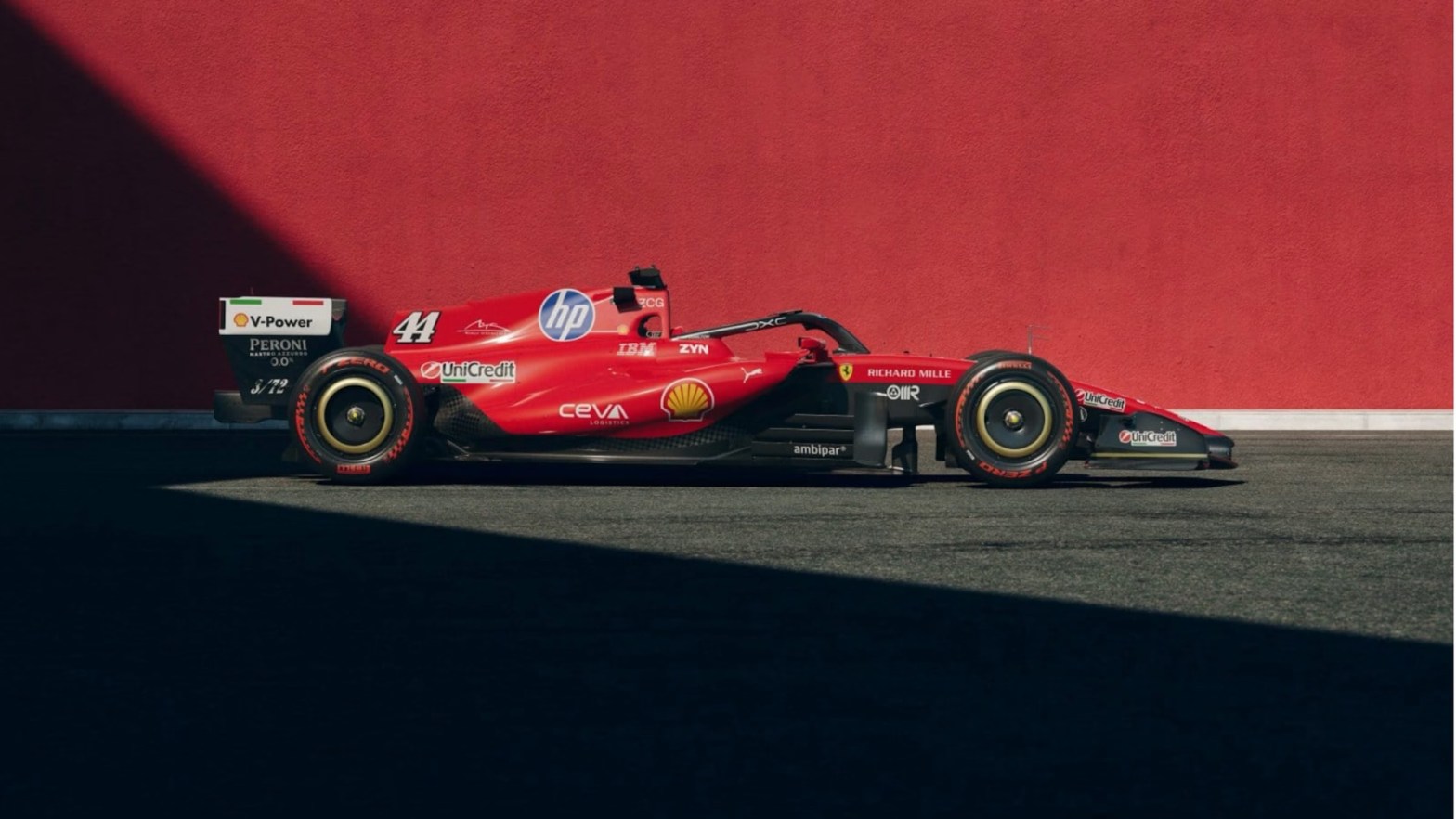
Known as “la Rossa” (the red one) and “il Cavallino” (the little prancing horse), Ferrari represents something bigger than motorsport: proof that Italy, often overshadowed industrially by Germany or the US, can still produce the greatest name in a global sport. A Ferrari win isn’t felt as one company’s success. It’s felt as validation of the country.
Founder Enzo Ferrari, revered as “il Commendatore,” is treated less like a businessman and more like a folk hero. His perfectionism and obsession with speed have become shorthand for a certain idea of Italian genius, the same instinct that elevates a Renaissance painter or a great chef. He once said he built cars because he couldn’t succeed as a driver himself, a detail that still shapes how Italians talk about the team: as a life lived through obsession.
Tifosi: a fandom unlike any other
Ferrari’s fans share a name with football fans: Tifosi. And the intensity is comparable. Monza, Ferrari’s home race, is nicknamed the “Tempio della Velocità,” the temple of speed. On race weekends, its grandstands turn into a wall of red flags and flares. Fans camp out, cry at wins and losses, and treat the weekend like a pilgrimage.
There’s a saying that every Italian supports two teams: their local football club, and Ferrari. It’s only half a joke. Plenty of Italians with no real interest in motorsport can still tell you where Ferrari stands in the championship, the way a casual American fan might track a hometown baseball team.
Loyalty that isn’t rational, and that is the point.
Tifosi devotion doesn’t track performance the way most sports fandom does. Ferrari has gone a decade or more without a title, and support barely dims. If anything, the fanbase loves the team more during the lean years.
There’s a well-known idea in Italian racing culture: fans don’t just want Ferrari to win, they want Ferrari to win as Ferrari, with flair and drama, sometimes with heartbreak. A late engine failure while leading, a driver overcooking a corner out of passion rather than caution: these moments get absorbed into Ferrari mythology as fondly as victories. Losing gallantly is, oddly, part of the brand’s identity.
A stage for Italian drama
Ferrari’s internal politics, driver rivalries, team orders, boardroom shakeups, get covered with the intensity Italian media usually reserves for national politics. Gazzetta dello Sport and Corriere dello Sport can spend days dissecting a single strategy call. Ferrari isn’t just a car on track. It’s a running national soap opera with Italian pride as the stakes.
Beyond racing: a “Made in Italy” icon.
Ferrari’s reach extends past Formula 1. Alongside espresso, opera, and Italian fashion houses, it’s become shorthand for an idea of the country: passionate, stylish, uncompromising, driven by genius rather than efficiency. Most Tifosi will never own one. Loving Ferrari from a distance is still a way of participating in that national self-image, aspirational as much culturally as financially.
An inheritance, not a preference
Most Tifosi didn’t choose Ferrari as adults. It was passed down from grandfather to father to child, the way football loyalty often is. Ask a fan why they support Ferrari and many can’t answer beyond “it was always there,” woven into family life and childhood memories of watching races together. That’s what separates Ferrari from an ordinary brand. It’s inherited, not selected.
Fun facts about the Tifosi
• After a Ferrari win at Monza, fans have historically stormed the track, a pattern so consistent that race organizers plan security around the expectation.
• Ferrari’s red isn’t a branding choice. In early Grand Prix racing, cars were painted by national colors, and Italy’s assigned shade was “Rosso Corsa.”
• Some Tifosi follow the team to every European race, forming informal caravans of flags and merchandise that turn away races into home games.
• During losing seasons, Italian tabloids have run mock front pages “firing” the team principal, a sign of how personally fans take poor results.
• “Forza Ferrari!” gets shouted with football-chant intensity, sometimes from balconies and cafés in towns nowhere near a track.
• Italian bars and piazzas often set up outdoor screens for races, turning grand prix Sundays into informal community gatherings, similar to World Cup viewing parties.

