By Isabella Priestley
Mosport Park hosted the inaugural Formula 1 race in Canda, near Bowmanville, Ontario, in 1967. After 1967, the Canadian Grand Prix annually alternated between Mosport Park and Circuit Mont-Tremblant in Quebec. However, it had to return to Mosport due to safety issues.
The manufactured island of Notre Dame Island was designed for the 1967 Expo 67 World Fair. Once the Expo was over, and the Summer Olympics had left Montreal, the roads of the island were turned into a racetrack. Here, it was named Circuit Ile Notre-Dame. This became the permanent home for the Canadian Grand Prix.
A race was first hosted at the circuit in 1978, where Gilles Villeneuve clutched his maiden win. Over the years, Canada has truly embraced the track, with Montreal becoming more of an F1 celebration, rather than just a race weekend. To honour their Canadian hero, the circuit was named after Villeneuve in 1982, with the name officially becoming Circuit Gilles-Villeneuve.
Montreal is best known for its difficult chicanes and high-speed straights, with its final chicane being named ‘The Wall of Champions’. The Wall of Champions most famously lived up to its name in 1999, where Damon Hill, Michael Schumacher, and Jacques Villeneuve crashed at the final chicane. This solidified how difficult Montreal can be.
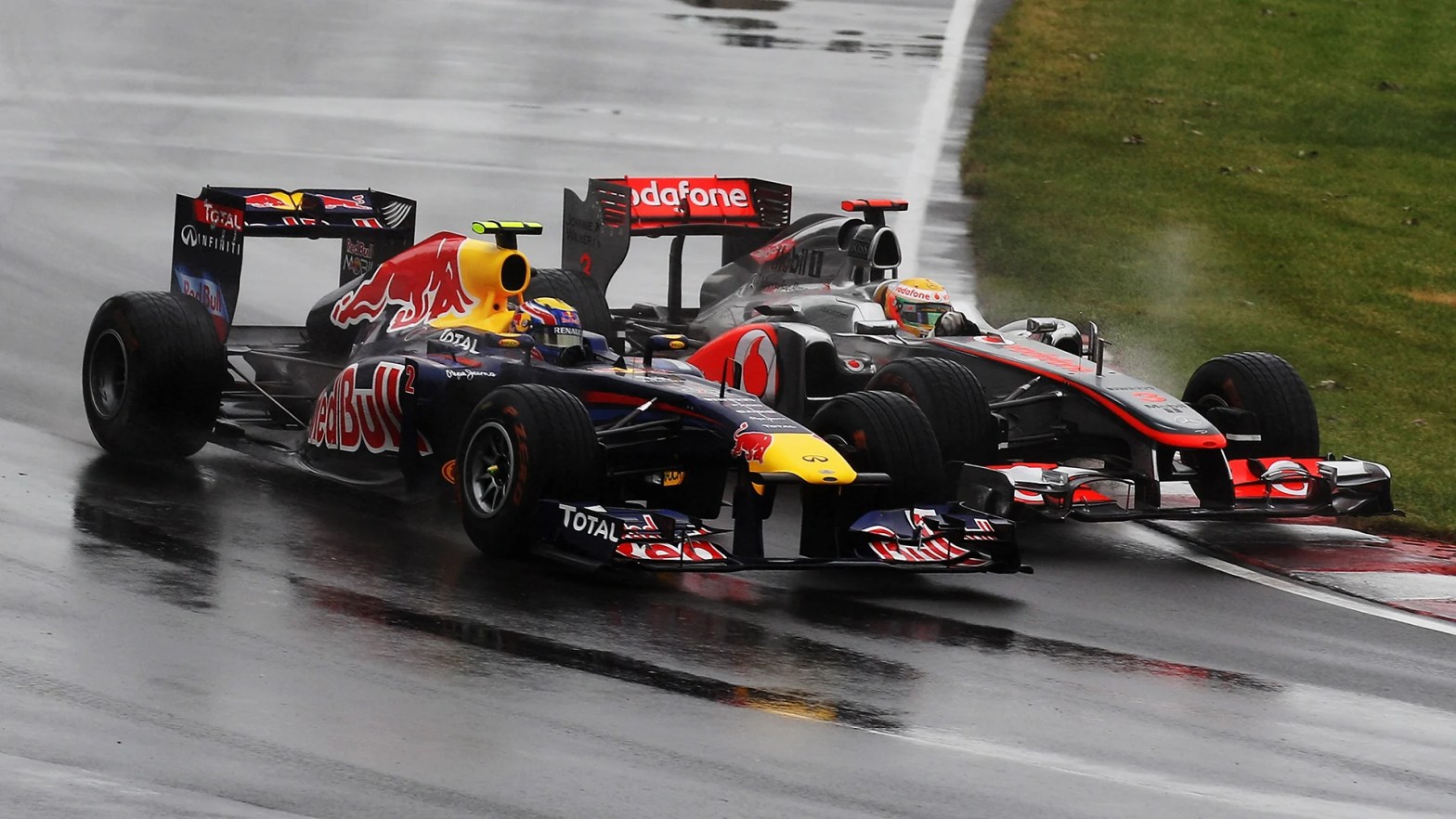
Circuit Gilles-Villeneuve has been the home to a handful of crucial moments in Formula 1 history, such as being the track Lewis Hamilton clinched his first victory at in 2007. As well as this, 2007 was the year Kubica suffered a frightening crash. Rest assured, he returned in 2008 to take the win. Canada is also the home to the longest race in Formula 1 history, where rain delays brought the race to around 4 hours in 2011.
Both Lewis Hamilton and Michael Schumacher are both tied for the most wins at the Canadian circuit, both sitting at 7 respective wins. However, it is Bottas who holds the lap record at 1:13:078, which was set in 2019.

