By Selin Soyer
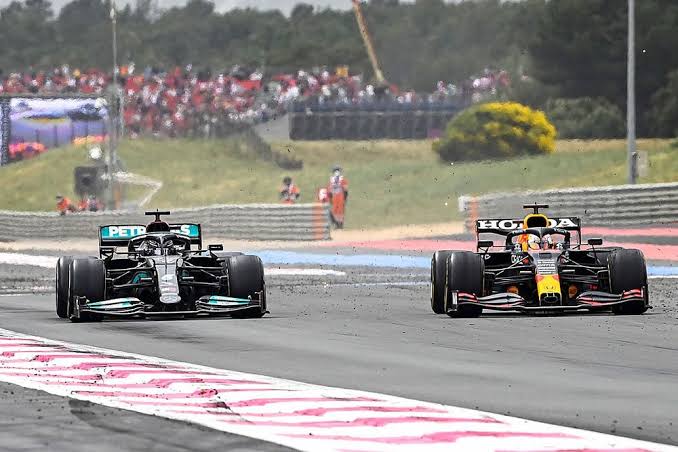
For more than a decade, Formula 1 has leaned on the Drag Reduction System as its safety net for overtaking. Introduced in 2011, DRS was meant to offset aerodynamic turbulence and help cars follow more closely. Instead, it often turned passing into procedural exercise. Get within a second. Open the flap. Cruise by before the braking zone.
In 2026, the FIA is attempting something far more ambitious than another incremental tweak. The new regulations represent a structural reset. Smaller cars. Active aerodynamics. A fundamentally rebalanced power unit. The intention is clear: engineer cars that promote real racing rather than artificial assistance.
This is not cosmetic reform. It is a strategical move.
The Nimble Car: Giving Drivers Space to Fight
Modern Formula 1 machinery grew into enormous, heavy machines. Their long wheelbases and wide bodies made close combat on traditional circuits feel claustrophobic. Drivers often spoke about a lack of “track real estate.” On tighter venues, the cars simply occupied too much space to race freely.
For 2026, that changes.
Wheelbase is reduced by 200mm to 3400mm. Overall width shrinks by 100mm to 1900mm. Minimum weight drops by 30kg to 768kg. These are not minor adjustments. A shorter wheelbase improves rotation in slower corners. Reduced width opens racing lines that previously disappeared. A lighter chassis sharpens braking performance and direction changes.
The aerodynamic philosophy also shifts. Downforce levels are cut by roughly 15 to 30 percent compared to the 2022–2025 ground-effect era. Less dependency on extreme floor-generated grip means less turbulent wake for the following car. The objective is straightforward: allow drivers to attack without instantly destroying their front tyres in dirty air.
Circuits such as the Hockenheimring or Kyalami Grand Prix Circuit stand to benefit. On layouts where every centimeter defines whether a move sticks or ends in contact, smaller cars restore the possibility of side-by-side commitment.
Active Aerodynamics: From DRS to Dynamic Control
DRS as we know it disappears in 2026. The familiar rear-wing flap, restricted to activation zones, is replaced by a more sophisticated active aerodynamic system.
The concept revolves around two operational states.
Z-Mode is optimized for cornering. The wings close to maximize downforce, improving stability and grip through high-load sections. Think of long, sustained corners where balance is everything.
X-Mode is configured for straight-line efficiency. The wings open to reduce drag significantly, increasing top speed without requiring a proximity trigger like DRS.
The key difference is accessibility. Every car can use these modes. There is no exclusive “attacker’s button.” The removal of asymmetry eliminates the so-called “sitting duck” effect, where the defending driver was rendered defenseless once DRS was activated behind them.
Passing will now depend on preparation, positioning, and energy management. Drivers must build momentum through corners, manage traction on exit, and judge braking distances precisely. Aerodynamics no longer gift-wrap the overtake.
The Power Unit: Energy as Strategy
The most profound transformation lies in the power unit.
The 1.6-liter turbo V6 remains, but the MGU-H is removed. Electrical output increases dramatically, creating an approximate 50/50 split between combustion and electric power. Half the car’s performance now depends on energy deployment and recovery.
To complement this shift, two energy deployment systems are introduced.
Overtake Mode becomes available to a driver within one second of the car ahead at a designated detection point. Unlike DRS, it delivers a configurable surge of electrical power. Drivers can deploy it aggressively in a single burst or distribute it strategically across sectors.
Boost Mode is universal. It allows maximum ERS output for both attacking and defending. The implication is tactical complexity. Energy is no longer a background process. It becomes currency.
Drivers face real trade-offs. Lift and coast to recharge and risk losing track position. Or burn energy to defend and potentially compromise later phases of the race. Tracks with heavy braking zones, high degradation, or altitude variables will amplify these choices.
Misjudge the timing, and the advantage evaporates. Manage it well, and the reward is earned rather than handed over.
Reasserting Sporting Identity
The 2026 framework represents a bet. It assumes that better racing emerges from better design, not from artificial equalizers. By reducing dirty air, extending braking opportunities, and rebalancing power delivery, the sport is shifting responsibility back to the driver.
This does not reject modernity. Sustainability goals remain central. Electrical contribution increases. Efficiency improves. But spectacle is no longer engineered solely through overtaking aids.
If the regulations function as intended, overtakes will be constructed corner by corner, not activated by proximity sensors. Battles will unfold over laps, not detection zones. Drivers will win positions through judgment, precision, and restraint.
 WHEEL2WHEEL REPORTS