By Ana De Miguel
A new era for Formula 1.
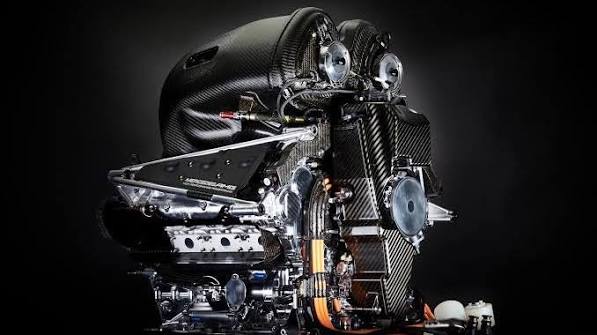
Formula 1 is about to enter a completely new phase with the 2026 power unit regulations. The biggest change is how performance is produced inside the car. While the current 2025 engines generate around 80% of their power from the combustion engine and roughly 20% from electrical energy, the 2026 cars are designed to run with an almost 50–50 split between combustion and electric power.
This shift completely changes how the cars work, how drivers race, and how teams approach strategy. Electric energy will no longer be just a temporary boost for overtaking, it will become a central part of the car’s performance.
Because of this, many see the 2026 regulations as the biggest transformation in Formula 1 since the hybrid engines were introduced in 2014.
From engine power to electric power
To understand the impact, we need to look at how things work now. In 2025, F1 cars use a turbocharged V6 engine supported by hybrid systems. The electric boost helps performance, but the combustion engine still does most of the work. Drivers can push hard for most of the race, mainly managing tyres and fuel while using extra electrical power to overtake.
In 2026, that balance changes completely.
The new power units will produce much more electric power, creating an almost equal split between engine and battery performance. At the same time, Formula 1 is removing the MGU-H (a complex system that used heat from the exhaust to keep the turbo working smoothly). Without it, the cars behave differently and electric energy becomes central to performance.
This means drivers can’t just push flat-out all the time. They need to manage battery levels, recover energy when braking, and decide when to use extra power. Racing becomes more about timing and energy management, not just speed. And that changes race strategy as well. In 2025, teams mostly focus on tyre wear, pit stop timing, and track position. In 2026, managing energy use will become just as important. Drivers may need to slow down at certain moments to recharge the battery before attacking later.
Overtaking could also change. Instead of constant pressure, moves may depend more on whether a driver has enough stored energy to attack or defend. This could make races more tactical, but some worry it might reduce spontaneous wheel-to-wheel battles.
A different feeling behind the wheel.
These changes also affect how the cars feel to drive. Without the MGU-H helping the turbo, power delivery is less smooth and acceleration can be harder to control, especially when exiting corners or at the race start. Drivers may struggle more with traction, which could lead to more mistakes and unpredictable moments on track.
The mental challenge is also much bigger. In 2025, drivers mainly focus on tyres, pace, and race position. From 2026, they must constantly manage energy systems while racing at high speed. In a way, the driver becomes part racer, part engineer, managing complex systems in real time.
What drivers are saying.
Early reactions from drivers after testing the 2026 cars show mixed feelings. Max Verstappen has been quite critical, saying the new cars are less enjoyable to drive and suggesting that too much focus on energy management could hurt the racing. Lewis Hamilton has also raised concerns, mainly about how complicated the new systems are and how difficult they may be to control during a race.
Other drivers have mentioned concerns about race starts and the overall driving feel. However, some younger drivers seem excited about the challenge and see the changes as something new and interesting. Overall, the reaction inside the paddock is divided.
A new direction, or a step too far?
Beyond performance, the new regulations are also about sustainability. The cars will run on fully sustainable fuels and use technology that is more relevant to future road cars. Formula 1 wants to show it can lead innovation in the automotive world, not just provide entertainment.
With electric power becoming central to performance, some fans and drivers have started comparing the new Formula 1 cars to Formula E, questioning whether the sport is moving too far away from its traditional identity. Supporters of the changes argue that Formula 1 must evolve, lead technological innovation, and remain relevant in a more sustainable future. Critics, however, worry that too much focus on energy management and efficiency could reduce the raw intensity that has always defined the sport.
The 2026 regulations therefore raise an important question: is this the next natural evolution of Formula 1, or could the shift toward electrification risk changing the sport beyond what fans recognise? Only time, and the racing itself, will provide the answer.
 WHEEL2WHEEL REPORTS