By Steven Oldham
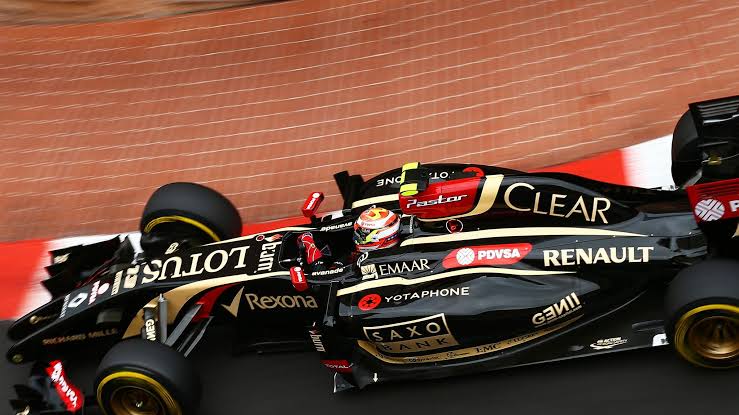
Team Lotus may be no more, but this enigmatic team certainly packed a lot into their near four decade tenure – with plenty of highs and lows along the way.
The team started life in 1952 as Lotus Engineering, achieving instant success with sports cars before becoming it’s own entity two years later.
The Formula 1 World Championship would already have completed seven seasons before Lotus lined up on the grid for the inaugural Constructor’s title in 1958 – with Cliff Allison taking the team’s only points of the season with a fourth place finish at Spa. Along with a number of other teams, Lotus were not ready for the first race in Argentina because of delays in establishing new fuel regulations.
Success didn’t happen overnight, with the team needing three seasons to register their first podium and a further year to notch up their first win. Innes Ireland achieved both of these landmarks; his second place at Zandvoort the team’s pedestal until being eclipsed by the maiden win at Watkins Glen in 1961.
Jim Clark’s hat-trick of victories in 1962 was a sign of things to come, as the team established themselves among the sport’s elite. Lotus and Clark would do the double in 1963, with Clark winning seven of the season’s ten races. His superiority was such that Lotus would still have won the title had they only fielded his car all season.
After missing out on the 1964 title to Ferrari’s John Surtees in the final race, Clark and Lotus recovered to secure both titles in 1965. Six wins from the opening seven was enough – and Clark could have matched his tally from 1963 had Lotus not withdrawn from the Monaco event in a row over the makeup of the grid.
Five more wins would follow in the next two years, but tragedy would strike before triumph in 1968 with the untimely death of 32-year-old Clark in a non-F1 race in Germany. The Scot had won the opening round in South Africa, but against the odds the team were able to rally around his team-mate Graham Hill and deliver another double title win.
The rise of Jackie Stewart left Lotus with just two wins in 1969, one apiece for Hill and Jochen Rindt. The Austrian driver’s five wins in the opening eight rounds ensured the team rebounded to to the top of the standings a year later – but tragedy struck again, with Rindt perishing in a qualifying crash at Monza. His points tally remained unbeaten, and he remains the only driver to be awarded the title posthumously.
Lotus returned to the top of the pile in both 1972 and 1973, with a 25-year-old Emerson Fittipaldi also picking up the driver’s title in ’72 after winning five races to become the sport’s then youngest champion. Rising star Ronnie Peterson would win four races in ’73, but both he and Fittipaldi were beaten to the title by Stewart in his Tyrrell.
The much-loved 1972 black and gold John Player Special livery remains one of, if not THE best paint jobs ever to grace the sport, alongside such classics as Ferrari’s beautiful F2002 and Jordan’s 1991 debut machine bearing the instantly recognisable 7UP sponsorship.
Peterson won three times in 1974, but the team slipped to fourth. 1975 was even worse; Jacky Ickx taking the team’s sole podium in a half points race in Spain. Lotus ended the season seventh, with just nine points.
A partial recovery came in 1976, with the team returning to the top of the podium in the final race in Japan, as Mario Andretti put in a commanding drive to lap the field and win convincingly. Andretti’s four wins in 1977, and one from Gunnar Nilsson elevated Lotus back into the top two.
Andretti would lead the team to double success in 1978 – their final Championship wins – but again, it was a season tinged with regret. Ronnie Peterson returned to the team following two years away and picked up two victories, before dying from his injuries a day after being involved in a ten-car accident at Monza.
As the 70s came to a close, Lotus would slip into the midfield and wouldn’t win another race until 1982 – Elio de Angelis taking the chequered flag in Austria. Future great Ayrton Senna would win two races each season between 1985 and 1987, and perhaps fittingly took the team’s final win in Detroit in the latter year.
December 1990 saw the Chapman family sell the team to former employees Peter Collins and Peter Wright. The team – now led by Mika Hakkinen – were able to climb back into the top five of the constructor’s title for the final time in 1992, but money was running out and the team bowed out unceremoniously following a pointless season in 1994.
 WHEEL2WHEEL REPORTS