Examining the Controversy and Solutions for Fairer Racing
By Kate Dowding
In recent years, Formula 1 has faced mounting scrutiny regarding the deployment and management of the safety car, with several high-profile incidents sparking debate among fans, teams, and drivers alike.
The most notorious debacle occurred in the finale to the 2021 season in Abu Dhabi, when only some of the lapped cars were allowed to overtake under the safety car, allowing Max Verstappen to go head-to-head with Lewis Hamilton. Verstappen overtook Hamilton on the final lap, winning the championship. Many fans believe this cost Lewis Hamilton the title, although subsequent protests by Mercedes were dismissed.
The aftermath of this, and Monza 2022, when the race end under the safety car, saw calls for reform.
As the 2026 season approaches, the FIA have responded introducing a set of reforms aimed at ensuring competitive integrity. Key changes include refining rules regarding unlapping, improving race control procedures, and increasing the use of red flags enabling standing restarts.
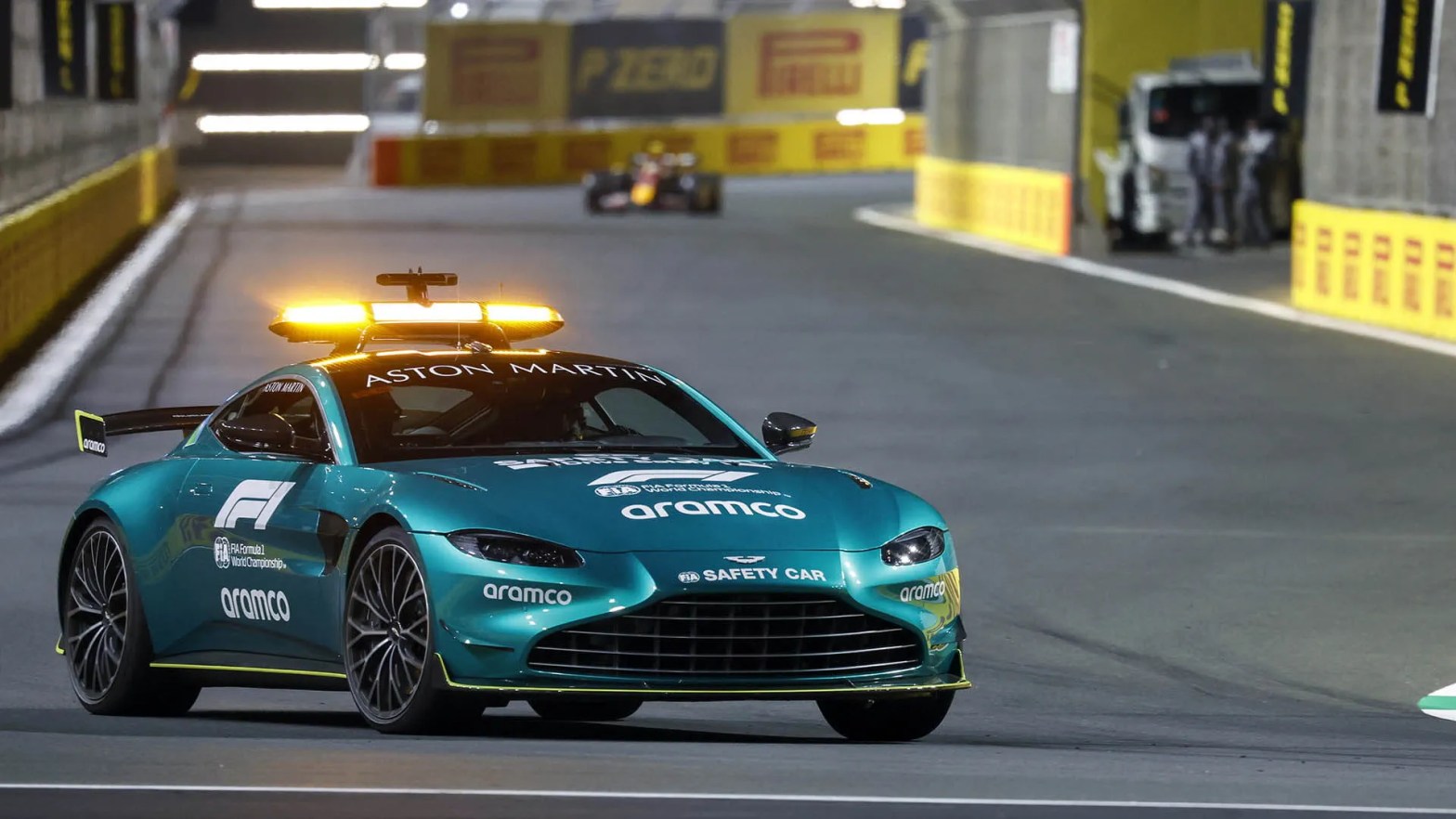
The most visually obvious difference for 2026 is that Mercedes are now providing the safety car and medical car for all races, following the end of the partnership with Aston Martin. Bernd Maylander will remain the driver.
Credit: MercedesAMGF1.com 1
However, the most impactful change is the adoption of standardised safety car protocols, in particular the clarification that “all” (rather than “any”) lapped cars must pass the safety car, aiming the ensure consistency.
There will be clearer procedures including when the safety car must return to the pits, minimising the race director’s discretionary powers.
Use of the red flag is to be increased, especially for late race incidents, to ensure a standing restart rather than ending the race as a procession behind the safety car. For minor incidents, the virtual safety car (VSC) should be used, maintaining gaps and speed, with VSC rules and deltas being more strictly enforced.
Following the 2021 incident, the FIA replaced Masi, implemented a more structured approach with senior stewards and introduced a virtual ‘race support room’ to aid decision making.
These measures aim to maintain a sporting spectacle for the fans whilst also prioritising safety for the drivers and marshals.
While only time will tell if these measures are enough, the FIA seems determined to learn from past mistakes and deliver a more transparent and fair racing environment in 2026 and beyond.
 WHEEL2WHEEL REPORTS