By Isabella Priestly
It’s about to be lights out on the 2026 Formula 1 season, with just over a month to go, but are we all clued up on what the new tyre regulations mean?
What are the changes?
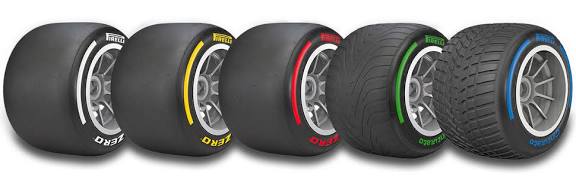
In 2026, expect to see some substantial changes to the cars we are used to seeing. While the 18-inch wheel size remains – the one that replaced the 13-inch spec in 2022 – the width has been cut. The front tyres have been cut by 25mm and the rears by 30mm. The idea behind cutting the size is to hopefully cut weight without losing grip. Mario Isola, the Pirelli Motorsport boss, recons that the changes will show a weight reduction of 1.6kg per car.
The new C-6 compound tyre will also make its permanent appearance after its tests in Imola, Monaco, and Canada in the 2025 season. While the C-6 tyre was originally designed to be used at lower-energy street circuits, such as Monaco, it ended up being used to spice up races after the one-stop strategies became too easy. The idea of the new tyre is to lead to more consistent and aggressive qualifying sessions but not straying away too far from the C-5 – which is what drivers are used to. “[So], we want it even more aggressive but with a level of degradation that is similar to what we have now, to help generate different strategies for next year. We are working on a C6 with this target,” says Isola.
The new wet tyre is the third biggest change of the upcoming season. Currently, there are two types of tyres available for rainy weather: the intermediate tyre and the extreme wet tyre. These two options should cover all wet weather conditions; however, teams are reluctant to use the extreme wet tyre, due to the spray from the cars. Teams and drivers have found the spray to be such a hinderance that the sessions tend to be stopped. The aim is for Pirelli to make an extreme wet tyre that can be used for actual racing, rather than just behind a safety car.
So, what does this mean?
Well, by creating narrower tyres, there should be an estimated weight reduction of 1.6kg per car. This is guaranteed to improve agility and performance, helping teams see higher top speeds. By making the cars lighter, it also allows for the drivers to be safer, as heavier cars can lead to dangerous impacts.
However, the overall change means that drivers will have to find a new driving style that accommodates the agility. They may have to break earlier than they usually do at the corners, due to the tyres and the new X-Mode.
The C-6 is overall to encourage more competitiveness due to the new-found consistency the tyres bring. The aggressiveness should provide entertainment for viewers, closing the gap between teams. Although it sounds exciting, 2025 saw some issues with the C-5, such as the amount of degradation. The balance should be between the degradation and speed of the tyre, which is what Pirelli have been working on since its debut test in Imola.
Finally, the new extreme wet tyres should allow for smoother sessions during the wet weather, making it efficient for teams. It also provides a better viewing experience for audiences.
What to expect.
The first few races will be interesting whilst drivers adapt to the new tyre regulations and all the changes the cars bring. So far, after the Barcelona Shakedown, most of the feedback from drivers seems to be positive, especially from McLaren and Mercedes.
 WHEEL2WHEEL REPORTS