By Margaux Luzé
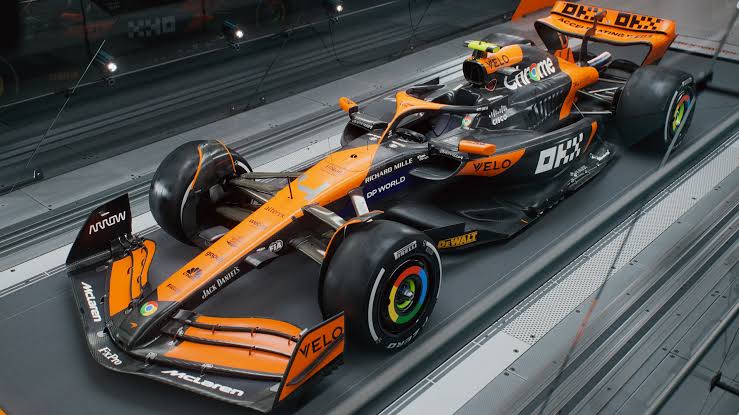
While the paddock buzzes with uncertainty about the 2026 regulations, McLaren Racing carries something most of its rivals lack: confidence. Not the brash kind, but the measured assurance that comes from having assembled what team principal Andrea Stella calls one of the strongest technical departments in Formula 1.
The timing couldn’t be more challenging. Fresh from clinching both championships in 2025, with Lando Norris finally ending the team’s 17-year drought for a Drivers’ title and the constructors’ trophy secured in dominant fashion, McLaren faces a complete regulatory reset.
Yet when the team principals gathered in Abu Dhabi after the final race of 2025, their body language told different stories. Mercedes’ Toto Wolff spoke of impossibly competitive grids and refused to predict success despite whispers about their engine advantage. Ferrari’s Fred Vasseur, usually buoyant before each season, seemed notably more cautious after a winless 2025 that saw them fall to fourth. Red Bull’s Laurent Mekies openly admitted his squad faces very tough months ahead as they venture into engine manufacturing for the first time, battling manufacturers with 90 years of experience.
Then Stella, who transformed McLaren from ninth-best car at the start of 2023 to world champions by the end of 2025, allowed himself a rare moment of optimism. His confidence isn’t rooted in blind faith. It comes from the people around him, the technical minds who conceived, designed, and developed a car capable of such a transformation within a single set of regulations.
McLaren will run Mercedes power units alongside Williams and Alpine, theoretically giving them access to what paddock gossip suggests could be the best-developed engine for 2026. Mercedes dominated when similar hybrid regulations arrived in 2014, and their experience shows.
McLaren has made a strategic decision that speaks to their confidence. Rather than rush to Barcelona for tests with an incomplete package, they chose to skip the first session, prioritizing quality over quantity.
This stands in stark contrast to their rivals’ positions. Red Bull faces the monumental challenge of their first self-manufactured engine, a partnership with Ford that Mekies describes as a very Red Bull decision. Ferrari, still licking wounds from 2025’s disappointments, has abandoned its usual pre-season optimism. Mercedes, despite potential engine advantages, remains haunted by four difficult years under ground effect regulations.
The motorsport world has learned not to underestimate McLaren anymore. They’ve proven they can evolve within regulations, that they can develop faster than anyone thought possible. Sixty years after their first race, forty years after their last dominant era, McLaren Racing stands ready to write the next chapter of their story.
 WHEEL2WHEEL REPORTS