By Erin Malik
Your guide for everything changing in this historic season
The 2026 Formula 1 season is almost underway, and this season’s regulation changes are some of the most dramatic that we have seen in recent years.
From changes in car appearance, to a replaced circuit, to more sustainable practices, here is your guide to all of the changes to Formula 1 racing in 2026.
Cars
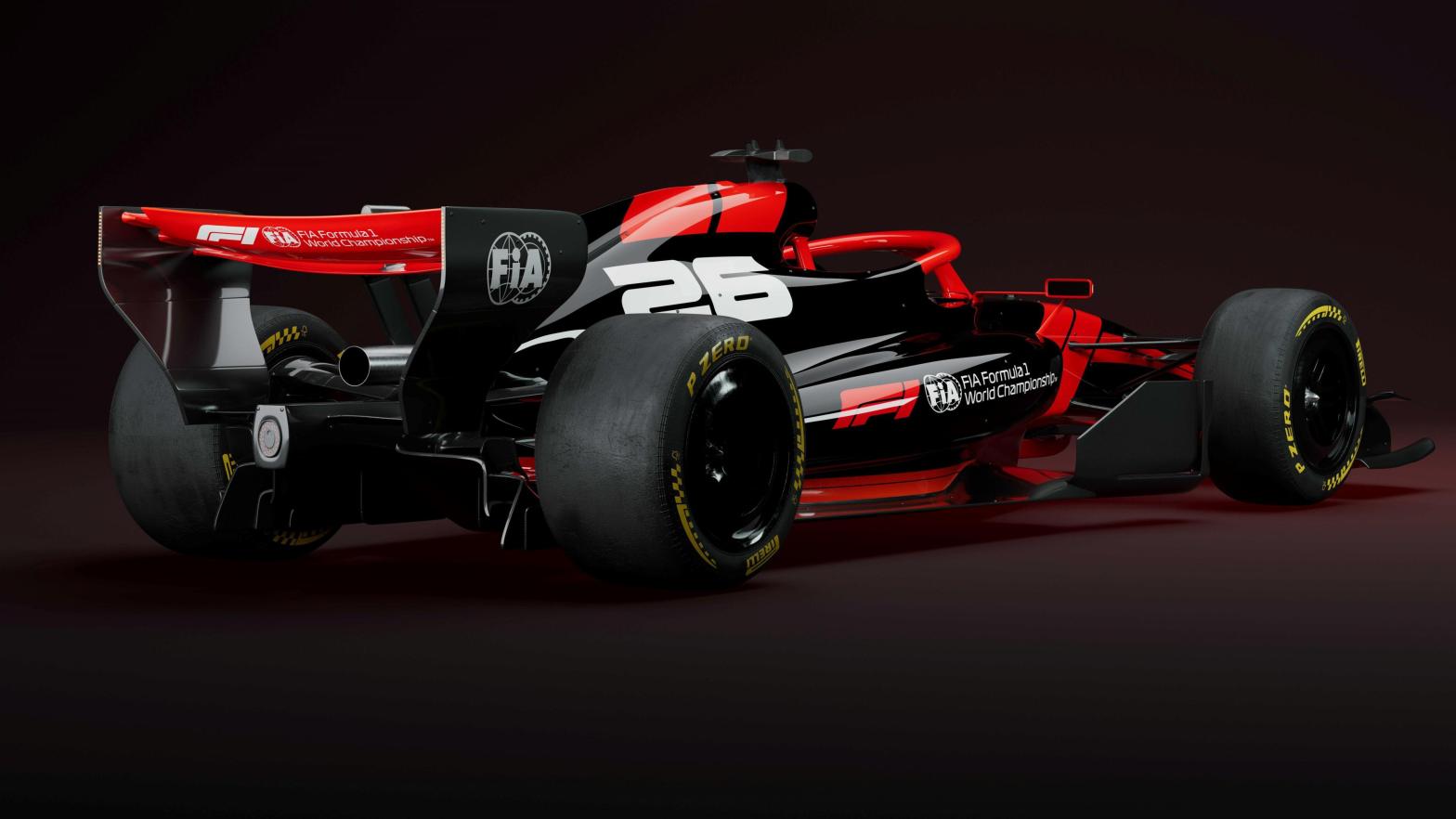
First of all, the cars themselves are going to be shorter, thinner, and lighter. Their new updates include moveable front and rear wings for ‘active aerodynamics’ and flatter floors to ensure that racing is as smooth and streamlined as possible by removing drag on the track. These alterations to the cars will change the style of racing immensely but, due to the millimetre differences in the liveries, they will only be visible to the most eagle-eyed viewers.
Sustainability
As part of Formula 1’s aim to reach Net Zero by 2030, this year’s fuel will be 100% sustainable; advanced e-fuels have been developed by the sport to be used for the first time in 2026. The fuels have been chemically synthesised using recycled carbon dioxide, rather than fossil fuels, and are designed to be near-carbon-neutral. As well as this, ESPN outlines that ‘the hybrid element of the engine becomes more significant this year, producing 50% of its power output from the battery and 50% from an internal combustion engine fueled by advanced sustainable fuels’.
Moreover, in regard to F1 as a whole, facilities used by the racing teams are becoming increasingly powered by renewable energy, helping them to meet their sustainability goals. The sport has already cut its carbon footprint by 26% since 2018, so the new fuel developments will ensure that minimal carbon from fossil fuels is released into the atmosphere at races in future.
Teams
The most prominent change to F1 heading into 2026 is that Cadillac is joining the grid as the 11th team this year. Experienced drivers Valtteri Bottas and Sergio Perez will be leading the charge, harnessing the cars’ Ferrari engines to put Cadillac right on the map. We will bear witness to the rise of Cadillac in a docu series that is currently being filmed about the start of their F1 journey. Another name is joining the grid this year as Kick Sauber is being rebranded to Audi.
8 of the 10 F1 teams from the 2025 season have the same driver lineup as they did for 2026. In a big turnaround from last season, the only rookie joining the grid this year will be Racing Bulls’ Arvid Lindblad: a british 18 year old racer taking the seat of Isack Hadjar. Hadjar is joining Red Bull this season alongside Max Verstappen, with Yuki Tsunoda stepping back into the reserve position. Red Bull themselves will be using Ford engines this season instead of Honda ones, with Alpine also making a switch from Renault to Mercedes engines.
Terminology
Overtake Mode
For the first time since 2011, DRS will be gone from the new F1 season, to be replaced by Overtake Mode. Overtake Mode has the same basic principles as DRS: when a driver is within one second of the car ahead, they can use Overtake Mode to assist in an overtake by deploying extra power. However, where DRS was only available in specific zones of the racetrack, Overtake Mode can be used at any point. It is up to the driver whether it is used all at once or is spread out across the map.
Boost Mode
Similar to Overtake Mode, Boost Mode allows drivers to choose when more energy is deployed. Boost Mode takes energy from the car’s Energy Recovery System, meaning that drivers can access the maximum combined power from the engine and the battery at any point. This brings a new level of tactic and strategy to Formula 1.
Active Aero
The new design of the front and wear wings means that they can be dynamically adjusted through Active Aero. They can be switched between Corner Mode and Straight Mode in designated sections on the track, altering the downforce and drag that a car faces. Active Aero allows drivers to maximise grip through corners and gain the most efficiency on straights.
Recharge
Recharge is a term that will be used for the process of replenishing a car’s battery during a lap of the track. Energy is recovered by braking, during throttle lift, and through corners where partial power is applied. Recharge is now a key focus of driving strategy, lending itself to Boost Mode, and requires drivers to be aware of how much energy they are using throughout the race.
 WHEEL2WHEEL REPORTS