By Capucine Danot and Margaux Luzé (Pim&Gom)
DPPI Images, the oldest sports photography agency in the world, was founded in 1965 in the heat of racing paddocks and recently celebrated 60 years in business. With 18 million photos capturing the greatest moments in contemporary sport, the French agency, which was founded on Formula 1 coverage, has developed into a global icon.
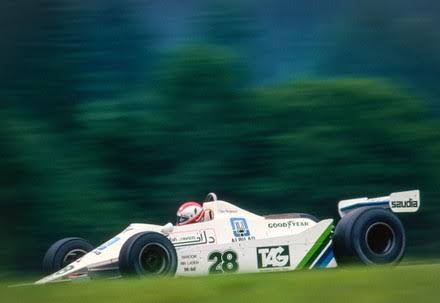
It all began in 1965 on the streets of Monaco. DPPI immortalized its first Formula 1 Grand Prix, establishing an unbroken presence in the paddock that has lasted 60 years. Last November in Brazil, DPPI covered its 1000th F1 Grand Prix at Interlagos, completing an exceptional cycle that witnessed Jackie Stewart’s triumphs, the legendary Prost-Senna duels, Schumacher’s dominance, Hamilton’s rise to greatness and the Norris/Verstappen/Piastri rivalry.
Armed initially with Rolleiflex cameras, then Pentax equipment, DPPI’s photographers established themselves as privileged witnesses to motorsport’s evolution. From the 24 Hours of Le Mans, covered 61 consecutive times, to the Dakar Rally since 1979, DPPI forged its identity in the thunder of engines and the dust of rally stages.
But DPPI didn’t limit itself to motorsport. From the 1980s onwards, the agency expanded into all disciplines: football, rugby, tennis, skiing, swimming, and sailing. This strategic expansion established DPPI as a key player in the global sports imagery market, distributing photos through a network of partners including Agence France-Presse.
Over its 60-year existence, DPPI has built a unique treasure: 18 million photographs, including 7 million film images and 11 million digital shots. This archive, classified by event, year, and discipline, serves as a living record of sporting history. Media outlets, teams, manufacturers, and brands regularly draw from these archives to illustrate their communications.
Under Richard Mille’s presidency and Fabrice Connen’s direction, DPPI Images continues writing its story, frame by frame, from Monaco to sporting venues worldwide. Sixty years after that first 1965 Grand Prix, the agency remains more than ever the photographic memory of global sport.
 WHEEL2WHEEL REPORTS