By Joe Murphy
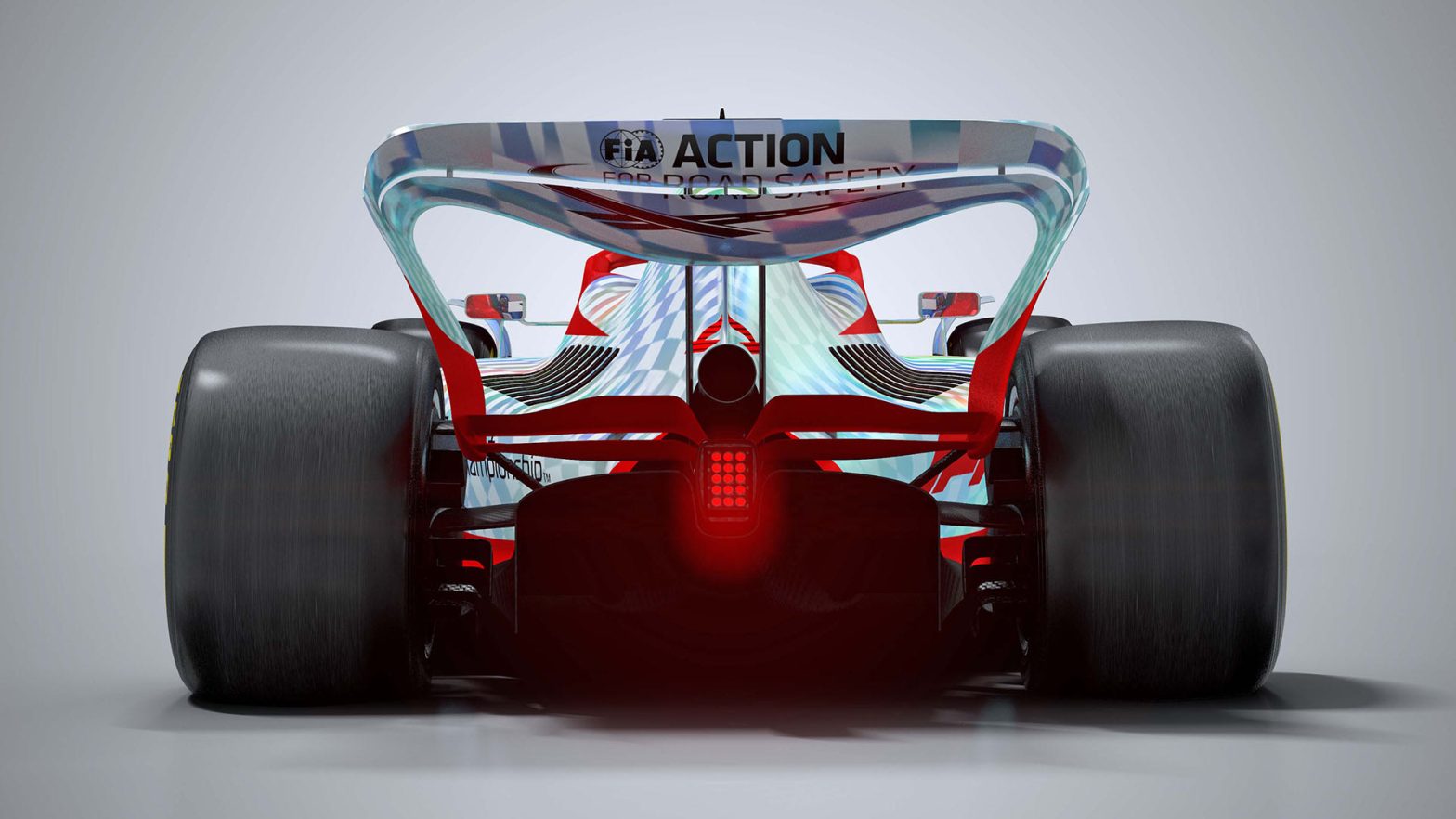
The rear wing is a crucial element in Formula 1 car design, playing a vital role in determining a car’s performance and competitiveness. A well-designed rear wing can generate over 4,500 kg (9,920 lbs) of downforce at high speeds, accounting for approximately 40% of a Formula 1 car’s total downforce. This significant downforce generation is essential for cornering speed and stability, allowing drivers to maintain control and push their cars to the limit.
The rear wing’s design and setup can significantly impact a car’s drag levels. According to Red Bull Racing, a 1% reduction in drag can result in a 0.25% improvement in lap time. This highlights the importance of optimising the rear wing’s design to minimise drag while maintaining sufficient downforce. In fact, some teams spend over 500 hours per week on aerodynamics development, with a significant portion dedicated to rear wing design.
The complexity of rear wing design is further increased by the regulatory constraints imposed by the FIA. The 2022 season saw significant changes to the technical regulations, with a focus on reducing downforce and promoting closer racing. Teams have had to adapt their rear wing designs to comply with these regulations while still maximising performance. This has led to the development of innovative solutions, such as complex wing designs and drag reduction systems.
The rear wing’s performance is also critical in terms of overtaking and racing strategy. A car with a well-designed rear wing can maintain a higher speed through corners, making it more difficult for opponents to pass. According to Pirelli, a 1-second advantage per lap can translate to a 2-3 position gain over a 2-hour race. This highlights the importance of optimising the rear wing’s design to achieve maximum performance.
Fernando Alonso Biographical Piece
In terms of design, the rear wing is a highly complex component, with over 50 parameters considered in its design optimisation. Advanced computational fluid dynamics (CFD) simulations have enabled teams to achieve improvements in aerodynamic efficiency as small as 0.1%. While these gains may seem marginal, they can have a significant impact on overall car performance.
The importance of the rear wing is reflected in the significant investment made by Formula 1 teams in aerodynamic research and development. Some teams have annual budgets exceeding £100 million, with a substantial portion dedicated to aerodynamic development. This investment has led to the development of sophisticated rear wing designs, capable of generating significant downforce while minimising drag.
The component at the centre of this piece is obviously a critical component in Formula 1 car design, playing a vital role in determining a car’s performance and competitiveness.
Its design and setup require careful consideration of factors such as downforce, drag, and regulatory constraints. By optimising the rear wing’s design, teams can gain a competitive advantage and improve their chances of success in the highly competitive world of Formula 1.
 WHEEL2WHEEL REPORTS
3 thoughts on “The Importance of a Rear Wing in Modern Day Formula 1”