By Joe Murphy
The world of Formula 1 is a complex and ever-changing landscape, where teams and drivers must continually adapt to stay ahead of the competition. One crucial aspect of the sport that has undergone significant development in recent years is aerodynamics. The intricate dance of air flowing over and around the car has become a critical factor in determining performance, and teams are investing heavily in research and development to gain a competitive edge.
According to a report by the Formula 1 Teams Association, aerodynamic development accounts for approximately 30% of a car’s overall performance. Red Bull Racing’s Technical Director, Adrian Newey, notes that “Aerodynamics is the single biggest area where we can gain performance. It’s a huge challenge, but also a massive opportunity.”
The importance of aerodynamics in Formula 1 cannot be overstated. A well-designed aerodynamic package can provide a significant advantage in terms of downforce, drag reduction, and overall handling. This, in turn, allows drivers to push their cars to the limit, extracting every last bit of performance. Mercedes-AMG Petronas F1 Team’s Technical Director, James Allison, highlights that “Aerodynamics is a key differentiator between teams. It’s one of the areas where you can really make a difference.”
The pursuit of aerodynamic performance is not without its challenges. The sport’s governing body, the FIA, must balance the need for innovation with the requirement for safety and cost control. The FIA’s Technical Director, Nikolas Tombazis, points out that “Aerodynamics is a double-edged sword. On the one hand, it provides incredible performance and spectacle. On the other hand, it can be a major cost driver and safety concern.”
The cost of aerodynamic development is indeed significant, with top teams spending upwards of £50 million per year on aerodynamic research and development. This has led to a significant disparity between teams, with some struggling to keep pace with the aerodynamic advancements of their competitors.
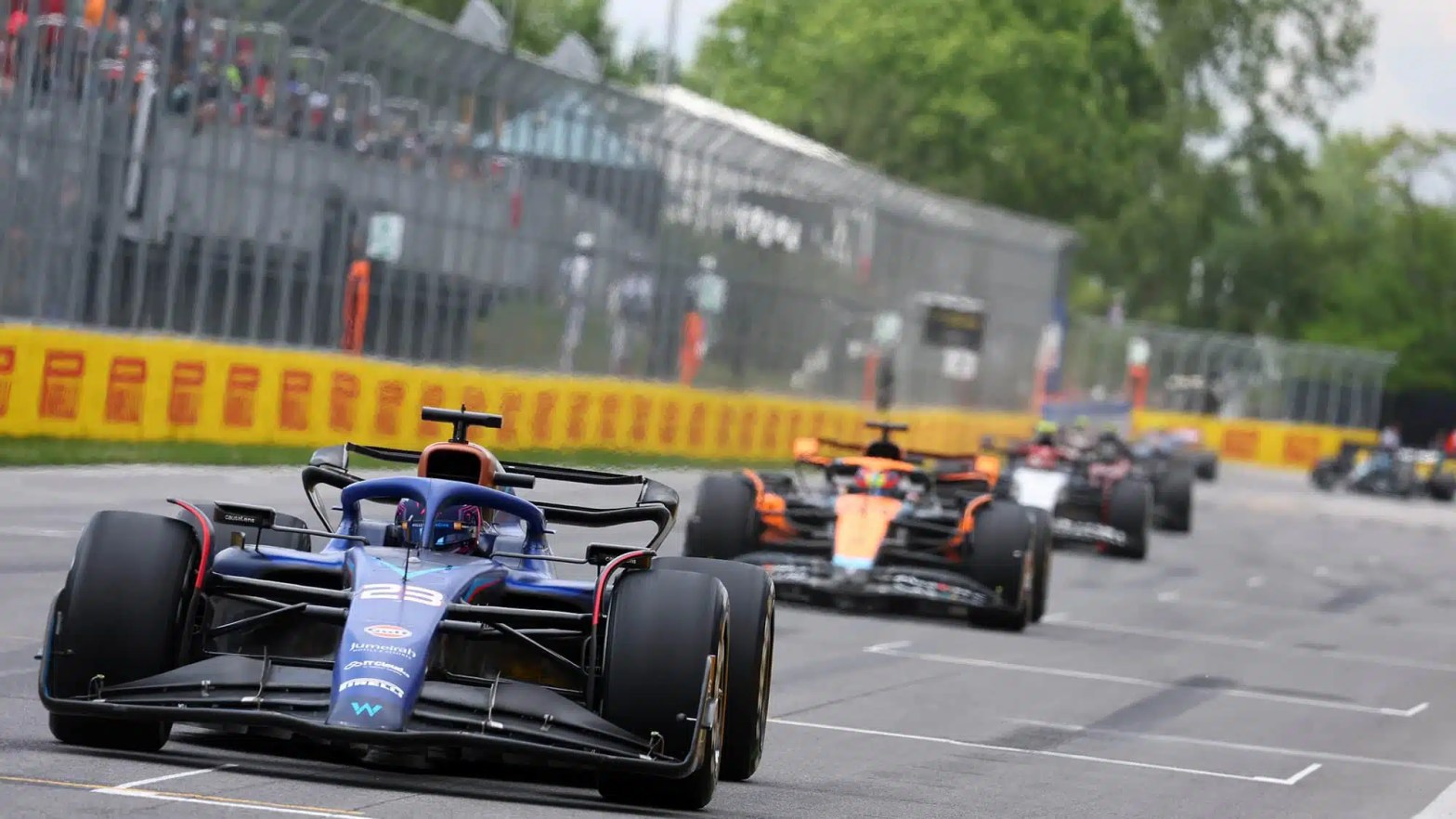
The introduction of Drag Reduction Systems (DRS) in 2011 marked a significant shift in the aerodynamic landscape of Formula 1. DRS allows drivers to temporarily reduce the drag of their car by opening a flap on the rear wing, enabling them to gain speed and overtake more easily. However, the system has also led to the phenomenon of the “DRS train,” where a group of cars form a train behind a leading car, using the slipstream to stay close and then activating DRS to attempt an overtake.
The DRS train can be both exciting and frustrating for fans, as it often leads to a series of cars following each other closely, but not always resulting in successful overtakes. Nevertheless, DRS has undoubtedly increased the number of overtaking maneuvers in the sport, with data showing a 15% increase in overtakes per race since its introduction. As the sport continues to evolve, it will be interesting to see how teams adapt to and utilize DRS, and how the FIA balances the benefits of DRS with the potential drawbacks.
Imola was a prime example of that, and whilst Monaco next time out may illustrate this problem to the maximum, Spain the week after could see a return of the DRS train to rear it’s annoying head.
 WHEEL2WHEEL REPORTS
One thought on “Is the ‘DRS Train’ an issue that needs addressing?”